
Biopharma thought leadership

Turning obstacles into opportunities: overcoming efficiency and quality challenges in gene therapy development
As the FDA signals stronger support for advancing gene therapy approvals, manufacturers face increasing pressure to get to market quickly. Ger Brophy tackles emerging scale-up challenges to efficiency and safety, with an in-depth look at optimizing viral vector production, managing costs, and collaborating on industry standardization and automation.

Formulation challenges are complex, with the potential to delay — or derail — commercialization of breakthrough mAbs. This article discusses the latest research in excipients and buffer composition, as well as manufacturing considerations, to develop a stable and patient-friendly commercial mAb.

Key drivers to overcome obstacles in mAbs formulation and fill-finish
The final critical steps in commercial monoclonal antibody (mAb) manufacturing — from bulk drug substance collection through formulation to final sterile filtration and fill — present several ongoing challenges that demand meticulous attention to detail and a well-thought-out process. This article offers solutions for operational excellence to optimize efficiency, mitigate risk and speed up time to market.
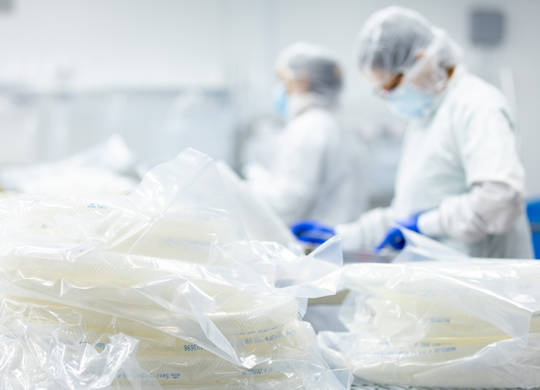
Trends in single-use and tips for making the switch
Single-use technologies are now an integral part of the bioprocessing manufacturing landscape – and we continue to see rapid growth in this area with the development of new components and processes. Single-use fluid pathways offer significant manufacturing flexibility and process efficiency for multiple biopharma modalities, but this doesn’t mean that everything is perfect.
Innovative approaches that address current challenges in gene therapy viral vector manufacturing
Production of viral vectors, such as adeno-associated virus and lentivirus, is a complex process and requires innovative approaches to maintain their long-term stability and efficacy in the final gene therapy product. Scaling to larger volumes exacerbates manufacturing challenges, however, significant advancements have been made at each step in the manufacturing workflow to ensure the integrity and quality of the final product.
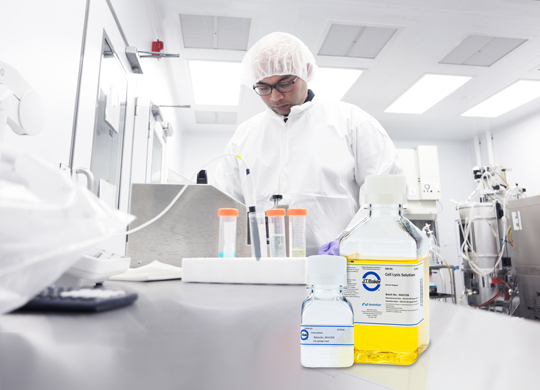
As gene therapy expands, the scalability of bioproduction processes, especially cell lysis, has become a critical challenge. This white paper examines how the J.T.Baker® Cell Lysis Solution delivers a compliant, easy-to-use alternative to traditional detergents, streamlining operations at scale while supporting viral vector integrity and downstream compatibility.

The rewards of planning ahead: designing for full cGMP production at pilot scale
It is essential to consider cGMP compliance early in development rather than waiting until late clinical trials and/or large-scale production. This article explores how using well-characterized, high quality and cGMP raw materials and reagents earlier in the transition to large-scale commercial manufacturing can avoid process changes, bottlenecks and delays.
Adopting novel technologies to improve monoclonal antibody processes
New bispecific antibodies show better cancer-fighting promise as compared to traditional monoclonal antibodies, but they can create process difficulties due to aggregation and instability. Study results show the efficacy of new technologies that address these challenges, so customers are better prepared to meet growing demand and patient need.
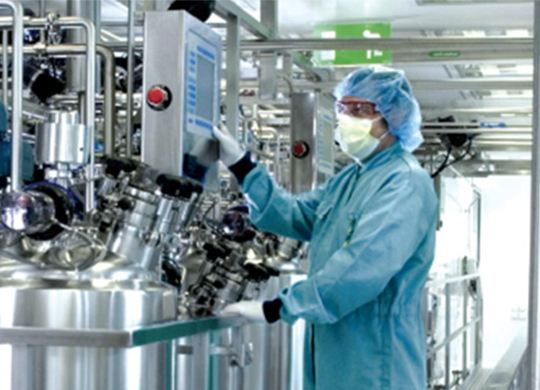
Enhancing Virus Clearance Process Capability Using a Biodegradable Detergent
To ensure the safety of biopharmaceuticals derived from mammalian cell culture, it is critical biomanufacturing processes can clear or inactivate potential viral contaminants.
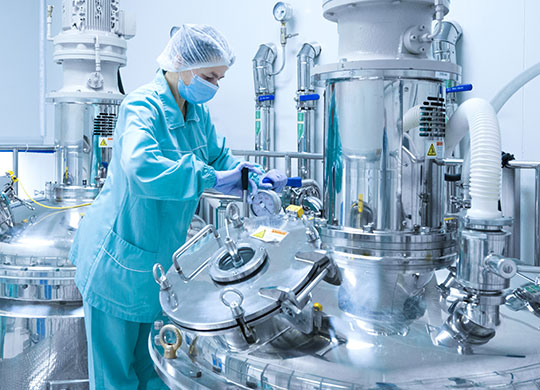
Buffer preparation consumes a substantial portion of a manufacturer’s facility footprint and overall cost, labor requirements and equipment. A review of four case studies explores how Avantor customers resolved their buffer management challenges with custom solutions to reduce manufacturing floor space and save time and expenses.

Harnessing Amino Acid Derivatives for Enhanced Viscosity Reduction and Stability of mAbs
Most monoclonal antibodies (mAbs) are developed with low protein concentrations, and typically delivered to the patient in liquid form via injection or intravenous infusion (IV). However, there are a growing number of indications that prefer intramuscular or subcutaneous injections - mainly so that a patient can self-administer the drug at home and reduce hospital stays and/or treatment costs, increasing patient compliance.
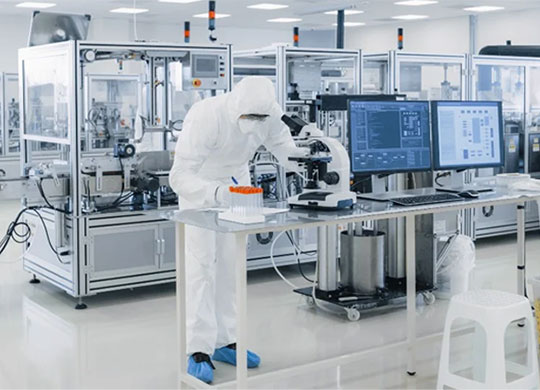
Smart Equipment & Technology Selection: De-risk Your Monoclonal Antibody Scale-up Process
The scale-up of monoclonal antibodies (mAbs) from pilot to production is a well-established process, but opportunities to further de-risk and improve processes - using platform products and technology - are available today. Innovations in raw materials, equipment and single-use technology continue to emerge in response to high market demand. Technology choices and decisions should be considered very early in development to avoid obstacles and maximize efficiency, as the stakes have never been higher.

Insufficient planning, in the early stages of mAbs scale-up, results in an inefficient process at best, or validation failures leading to serious market delays at worst. Using cGMP grade reagents earlier in the transition to large-scale commercial manufacturing makes for a seamless transition. Read about benefits and background in our GMP fact sheet.

Artificial intelligence driving inventory management for improved single-use systems manufacturing
Artificial Intelligence offers a new smart technological approach to reducing the complexity of the single use component library supply chain. Learn how predictive forecasting based on real time usage, with positive feedback to the original manufacturer drives anticipative demand.

Industry perspective: Scale up challenges for cell & gene therapy manufacturers
Dr. Ger Brophy, EVP Biopharma Production, provides insights into manufacturing challenges, including scale up, mitigating raw material shortages and supply chain issues, and other industry trends during his interview at 2022 Biotech Week Boston.
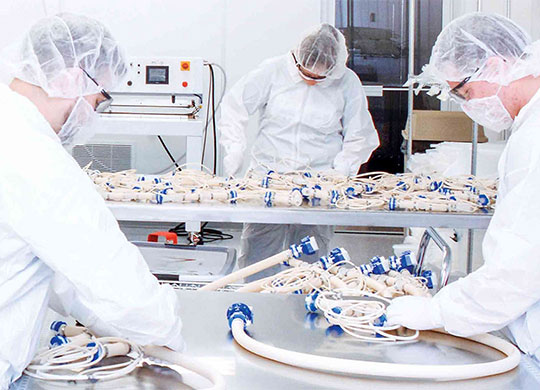
Four best practices for single-use supply chain success
Biopharma companies should consider these four best practices as they develop and manage their single-use supply chain.
CPhI Roundtable Discussion
Avantor’s Dr. Ger Brophy recently joined three industry colleagues for a pre-CPhI 2022 panel discussion hosted by The Medicine Maker magazine, discussing key biomanufacturing challenges.
Optimizing single-use manufacturing through associate training
How a new training room at Avantor Fluid Handling is ensuring the reliability and quality of your single-use systems
Top tips to optimize downstream processes
Monoclonal antibodies still dominate the world of biopharma. Given that 60–80 percent of mAb production costs can be attributed to downstream processing, removing downstream bottlenecks, and improving yields will continue to be an important priority for mAbs manufacturers – especially amidst rising demand. The following article, published in The Medicine Maker, is offering a few suggestions.
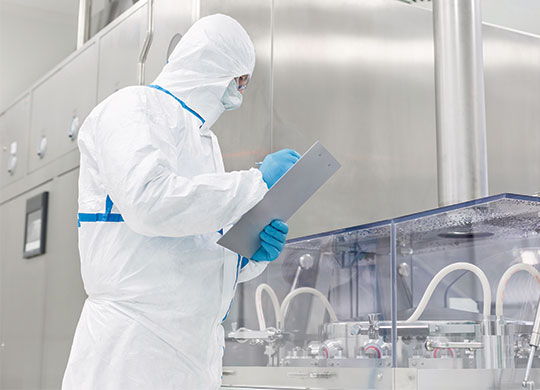
Solving cost and supply challenges in biopharma downstream processing
Monoclonal antibodies (mAbs) are the dominant therapeutic modality in the biopharmaceutical industry, representing the largest sector of the market. As of 2022, more than 100 mAb therapies have been approved by the FDA – over twice as many as had been approved only 5 years ago.

Processing challenges in realizing the future potential of mRNA vaccines and therapeutics
Jonathan Fura and Navjot Kaur provide insight into pain points in mRNA manufacturing and into the solutions that can evolve through the supplier-manufacturer relationship.

Viral Vectors: collaboration is key to fixing stability and other challenges
Opinion piece by Arvind Srivastata, Technical Fellow, describing the problems than can occur in viral vector production, and offering solutions based on a collaborative model that standardizes processes.

Advancing mRNA vaccine production management
Across the biopharma industry, manufacturers of mRNA vaccines and therapeutics are seeking new tools and resources to help improve the safety, stability and quality of their mRNA drug products. Read about two key resources that can support scale-up production.

Approaches to alleviating subcutaneous pain at injection sites, a study
Arvind Srivastava, Technical Fellow; Ger Brophy, EVP, Biopharma Production Solutions and Meera Agarkhed, former Sr. Manager, Technology and Innovation discuss how formulations containing citrate compare to other buffers in reducing SC injection-site pain in a peer reviewed paper.

Raw data – a 4.0 approach to materials offers process development benefits
Approaching raw material characterization with Biopharma 4.0 thinking in addition to robust collaboration between producers, vendors and end-users may improve biopharma manufacturing processes.

Industry perspective: much needed advances in biopharma chromatography
What is the purpose of chromatography in downstream processes of mAbs therapeutic manufacturing? And how does Avantor’s premium protein A chromatographic resin and single-use technologies to address the challenges of manufacturing a safe and effective final product? Learn more in this piece by Nandu Deorkar, Ph.D., M.B.A., Senior Vice President R&D.
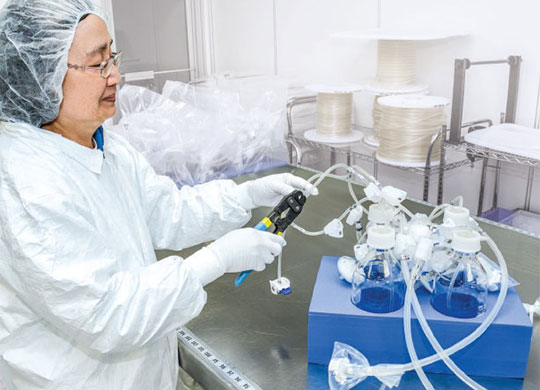
Tim Korwan, Director, New Product Introduction in Avantor’s single-use business spoke to BioSpectrum International in April 2021 about the integration of single-use technologies into fluid handling systems
A discussion about the challenges and benefits of having a well-designed and properly composed fluid handling system using single-use technology. Correct design and adoption of single-use technologies in fluid-handling systems helps streamline downstream bioprocessing operations.

Interview with Narayana Rao, Vice President, Biopharma, AMEA in BioSpectrum Asia Edition (April 2021) on COVID-19 vaccine needs
Narayana Rao, Vice President, Biopharma, AMEA spoke to BioSpectrum in April 2021 about Avantor’s support of companies battling the global pandemic, and the potential of the AMEA region to meet COVID-19 vaccine needs.
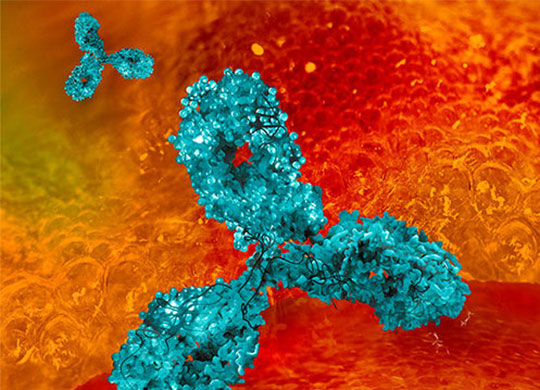
Novel Resins for Downstream Process Intensification
The evolution of the monoclonal antibodies (mAbs) market, since approval of the first mAb more than 30 years ago, has dramatically changed patient care. Advances in technology as well as knowledge about antibody engineering have brought forth a wide range of targeted therapies to address previously unmet medical needs.

Formulation Development for AAV Viral Vectors
Adeno-associated virus (AAV) has emerged as a leading platform for gene delivery for treating various diseases due to its excellent safety profile and efficient transduction to various target tissues...

Removing bottlenecks in downstream processing purification
In producing monoclonal antibodies (mAbs), finding ways to remove bottlenecks and improve yields in downstream processing is a key focus area for biopharma manufacturers.

Raw Material Supply Chain Security for Cell and Gene Therapies
Cell therapies, including CAR-T and TCR-T, and gene therapies will offer transformative outcomes for challenging diseases.

Narayana Rao, Vice President, Biopharma, AMEA, spoke to BioSpectrum in May, 2021, about the ways Avantor contributes to the biopharma space
Since the beginning of the COVID-19 pandemic in 2020, Avantor has innovated and pivoted to help customers develop and scale-up the production novel vaccines. While the pandemic dominated the work of biopharma and life science companies, Avantor was also able to address multiple, ongoing global needs and continue to focus on the importance of strong supplier-manufacturer collaboration.
Charting the rise of single-use
Single-use systems have come a long way. Timothy Korwan and Sean DeFusco, single-use experts from Avantor, discuss biopharma’s experience with the technology so far – and consider why it has become a popular choice for producing new drugs.

Bioprocessing in a Post COVID-19 World
COVID-19 has compressed bioprocessing timelines, leaving no room for uncertainty in the characterization of raw materials and contaminants.
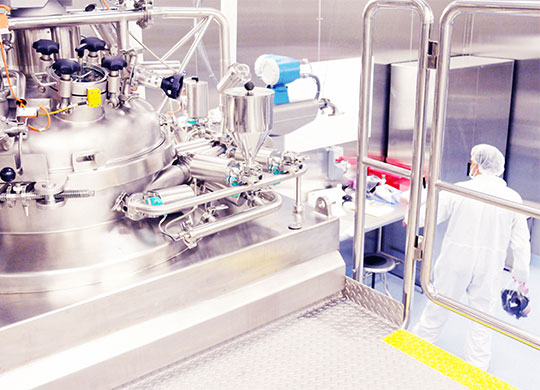
Applying lessons from the semiconductor industry to biopharmaceutical production
Best practices in the semiconductor industry, including advanced materials analysis and characterization, can improve yields in biopharmaceutical production.
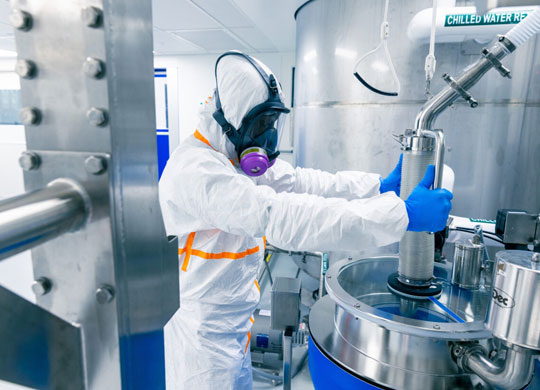
Alternative buffer management strategies to achieve downstream process improvements
There has been significant change across the biomanufacturing industry over the last couple of decades, as increased complexity of biologics and a growing focus on smaller patient populations have led to a greater need for cost control and process efficiency.
Scaling up cell & gene therapies from research and development to commercialization is creating a new set of challenges for manufacturers...
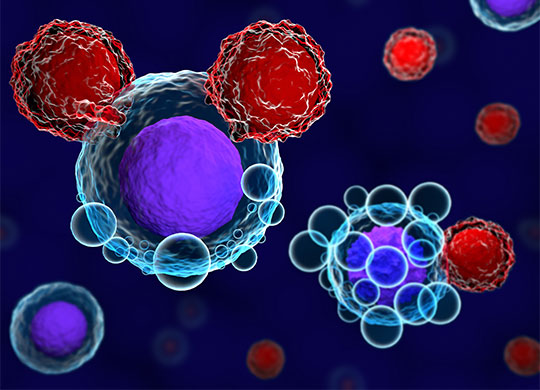
Single-use technology in cell and gene therapies
Scaling up cell & gene therapies from research and development to commercialization is creating a new set of challenges for manufacturers...
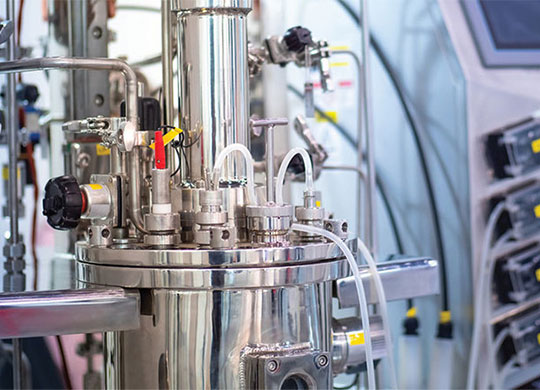
It is common for biologics manufacturing processes to require hundreds of raw materials, ranging from media and media supplements, buffers, and salts to other process chemicals...
Addressing Key Challenges Optimizing Downstream Bioprocessing
The term “optimize” is often applied to complex manufacturing, automation and business processes and implies that the most efficient function of all the elements of a process – technologies, sequences and procedures – has not been achieved...
Managing Single Use Supply Chain
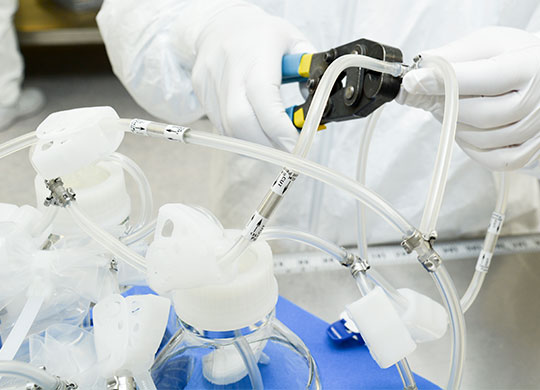
With the rapid growth of single-use systems (SUS) for drug production, especially by drug manufacturers with multiple locations across the globe, there are many risks associated with underestimating the regulatory compliance, manufacturing and quality requirements of these systems...
Optimizing Upstream Bioprocessing
Despite significant advances made in recent years to increase biologic yields as well as the intensity and consistency of these processes, there is still the potential for innovation in this area in order to reach more efficient production of therapeutic proteins...
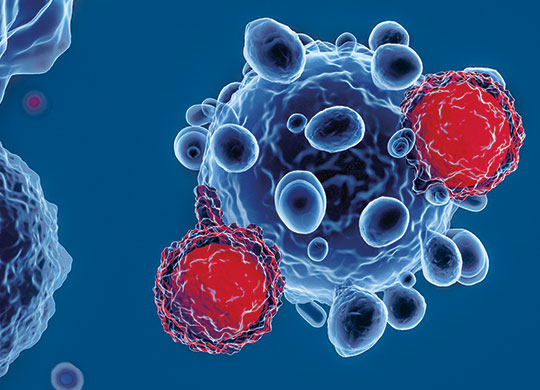
Opportunities for advancements and challenges in manufacturing processes remain as the biopharmaceutical industry focuses on gene therapy.

Challenges in Chromatography
Processing times can be reduced and yields increased by utilizing new hydrophobic interaction chromatography tools.
Considerations in Controlling Glycosylation
Continued expansion of the biosimilar marketplace has led to many commercial opportunities and technical challenges...
Opportunities and challenges in cell and gene therapy development
Q&A interview with Ger Brophy, Executive Vice President for Biopharma Production at Avantor.